
Wax foundation adulteration affects phenoloxidase, lysozyme and bee immunity
Phenoloxidase (PO) is a humoral protein with antimicrobial and antioxidant properties. By catalysing melanisation, it plays a key role in honey bee immune responses. Contact with a pathogen activates it through a cascade involving pattern-recognition proteins, serine proteases and serine protease inhibitors.

The results show that adulterating wax with stearin reduced PO activity in bees aged 1, 7 and 14 days. This effect was delayed, because contact with a harmful substance during immature development caused changes in enzyme activity in adult bees.
Stearin toxicity most likely involves two stages. First, stearic acid reacts with chitin, chemically modifying its functional groups through esterification of 2-hydroxyl groups and deacetylation of the N-acetylamine group. The loosened structure destabilises the insect cuticle, which then fails to protect against water loss, mechanical damage or pathogen entry into the host. Second, stearic acid penetrates the workers’ haemolymph and subsequently inactivates proPO through interactions with haemolymph cells, either by acting directly on this protein or by interacting with lysozyme.
Increased lysozyme activity can also indicate reduced bee immunity. Besides its antimicrobial role, lysozyme suppresses proPO, which may explain the negative correlation between increased activity of this protein and PO activity. The effect of PA (paraffin) appears less toxic than that of ST (stearin), but its effect on PO activity is statistically significant compared with the control.

The results indicate that development of immature worker bees in contact with this substance blocks the PO system. As Ibrahim et al. showed, paraffin can provide nutrients for bacteria. Even if these bacteria are not directly pathogenic to bees, their secreted metabolites may inhibit PO. Reduced PO activity impairs the insect’s defensive and regenerative capacity, and the increased lysozyme activity observed here represents a second line of humoral defence.
Most publications on wax adulteration describe changes in composition, wax properties and/or honey bee brood development within that wax. This is the first publication on the effects of adulterated wax on bee physiology. We are the first to address this knowledge gap and show the substantial effects on bee function of adding stearin and, to a lesser extent, paraffin to natural wax.
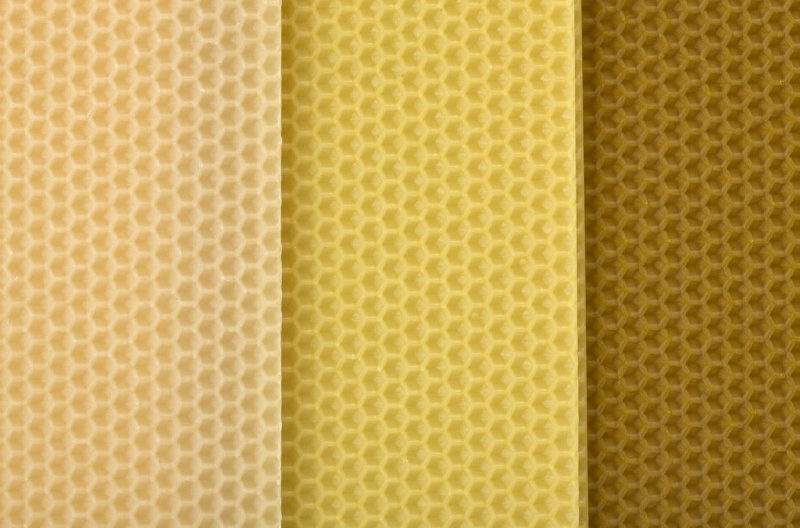
Our research indicates that the increasingly common adulteration of wax with paraffin and stearin, which disrupts phenoloxidase and lysozyme activity and most likely impairs worker bee immunity, is highly likely to be a previously undiagnosed cause of the extensive colony losses that began in the late twentieth century.
Our suggestion appears consistent with the findings of Chęć et al., who showed that adding 10%, 30% or 50% stearin to wax foundation reduced brood survival by 67%, 87% or 92%, respectively, compared with brood developing in pure wax.
Aneta Strachecka et al.
How does adulteration of wax foundation affect phenoloxidase and lysozyme activities as selected parameters of immunity in Apis mellifera? — J Vet Res 68, 395–400, 2024



Comments