
Laboratory and Ligustica breeding
Our in-house laboratory supports the selection of Apis mellifera ligustica in our apiaries. Wing morphometry, observations on samples and pedigree records help us characterise our breeding stock and choose which queens and drone-producing colonies to use. We interpret these findings alongside data from colonies and their offspring.
Morphometry measures physical traits and compares them with reference populations. The results depend on the sampling, methods and references used. On their own, they cannot establish genetic purity, colony health or production performance.
Our own observations support routine monitoring. When further analysis or official documentation is needed, we send samples to specialist laboratories qualified to perform the relevant tests. We distinguish our internal observations from the results and documents issued by those laboratories.

Maternal lines: selection and continuity
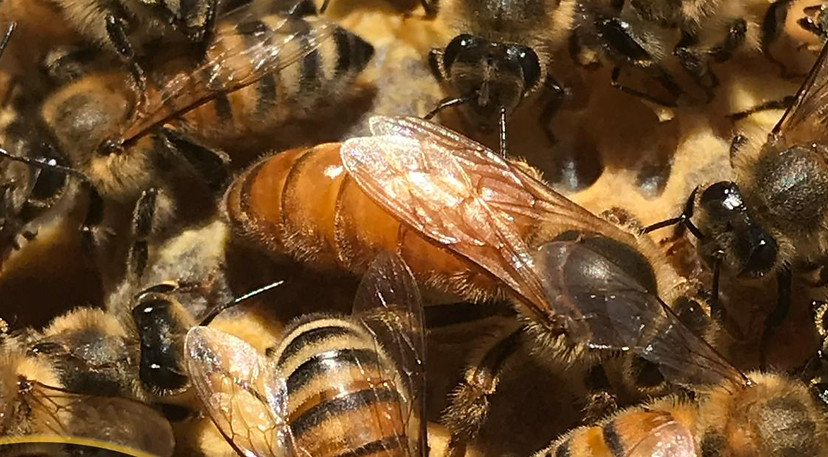
When choosing breeder queens, we consider their pedigrees, the traits we observe and the aims of the breeding programme. We assess colonies throughout the season and compare their offspring, recording environmental and management conditions that can affect the results.
We bring new lines into the programme when they show promising traits and reassess existing lines over time. Choosing a queen for breeding is part of an ongoing process that preserves genetic diversity and keeps pedigree records consistent across generations.
Paternal lines: origin and rearing
We pay the same attention to paternal lines as we do to breeder queens. We select drone-producing colonies for planned crosses and keep records of their origins and observed traits.
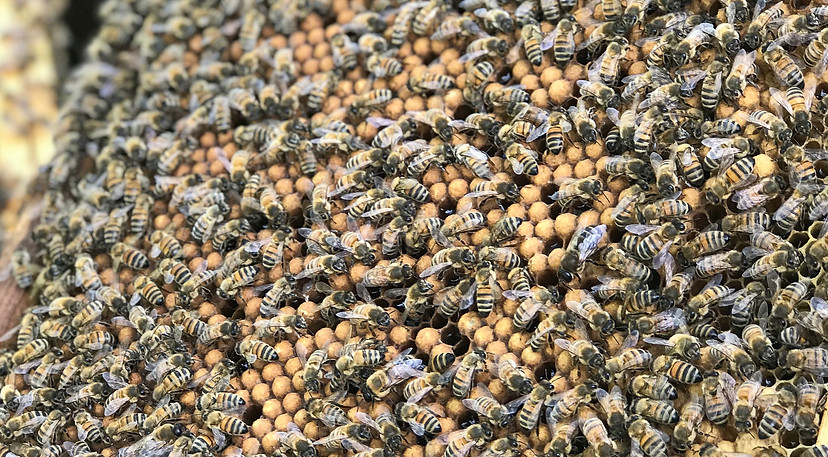
Preparation includes managing drone brood and the colonies that rear it, providing nutrition and checking drone maturity. We record any transfers of brood comb as part of rearing management. We assess swarming tendency separately through specific observations of the colonies.
From the laboratory to planned crosses
Instrumental insemination allows us to pair maternal lines with selected groups of drones and document each mating. Repeating a cross between the same lines does not produce identical colonies. We assess the offspring of each cross in the apiary.
Our beekeeping specialist Davide Simeone oversees instrumental insemination in our laboratory. We prepare the breeding stock, follow hygiene procedures, identify each queen and manage her care before and after the procedure. We also check egg laying and keep records. We assess the quality of the programme over time by comparing colonies and their performance.
